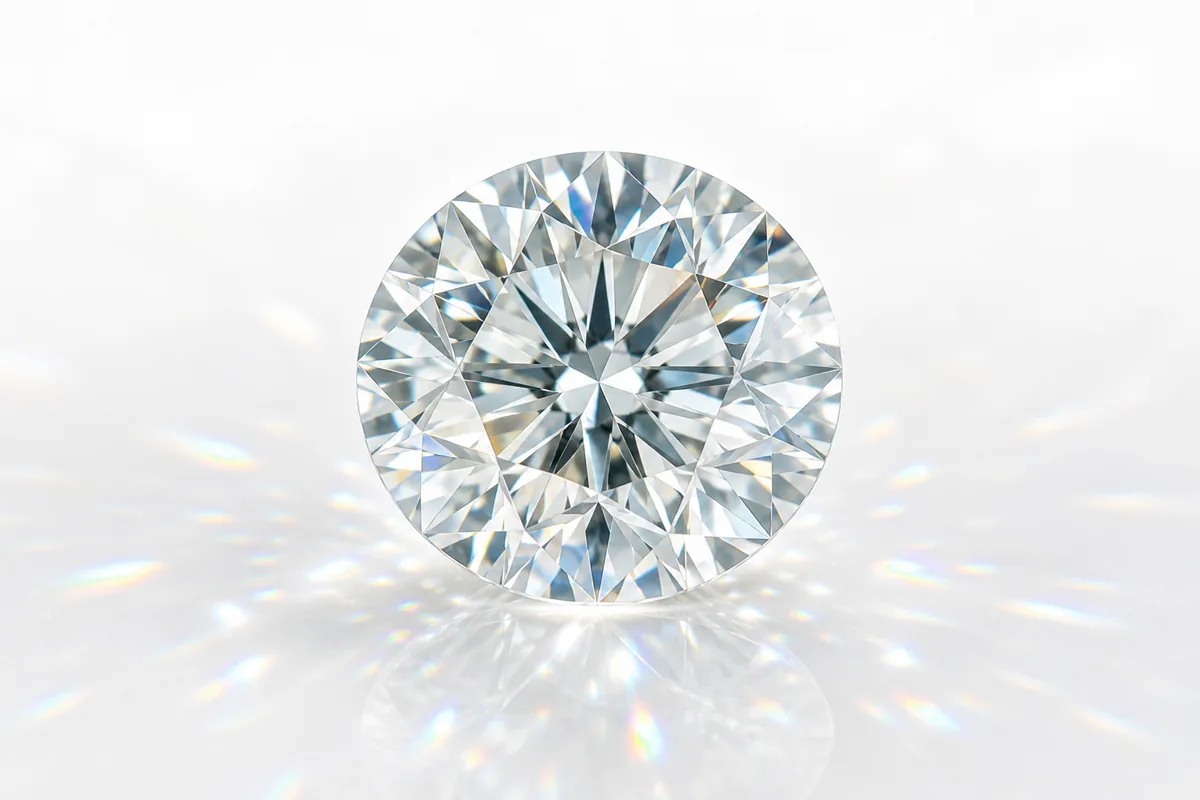
Why magic weights matter
Prices often jump around popular thresholds like 0.50ct, 1.00ct, 1.50ct, and 2.00ct. A 0.90ct diamond can sometimes deliver better visual value than a poorly cut 1.00ct stone.
Spread versus depth
A diamond can hide weight in depth and look smaller face-up. Always compare millimetre measurements, not only carat weight.
Selling a carat-size stone
If you are selling a 0.50ct, 1.00ct, or larger certified natural diamond, Prodiam can review the certificate and physical stone against trade benchmarks.
Decision table
Use the details, not a shortcut.
| Carat range | Typical buyer question | What to check |
|---|---|---|
| 0.30-0.49ct | Does it still look substantial? | Cut, setting, spread |
| 0.50-0.89ct | Best balance for budget? | Certificate and eye-clean clarity |
| 0.90-1.10ct | Is 1ct worth the premium? | Measurements, cut, colour |
| 1.50ct+ | Will it trade well later? | Lab, make, fluorescence, demand |
Direct answers
Common questions
Is a 1 carat diamond always expensive?
No single price applies. Shape, cut, colour, clarity, lab report, fluorescence, and market demand all change value.
Can a smaller diamond look bigger?
Yes. Better spread, shape, and setting can make a lower-carat diamond look larger face-up.
Should I sell a 1 carat diamond privately?
Private sale can work, but certificate verification, security, and payment risk are real. A specialist buyer reduces friction.