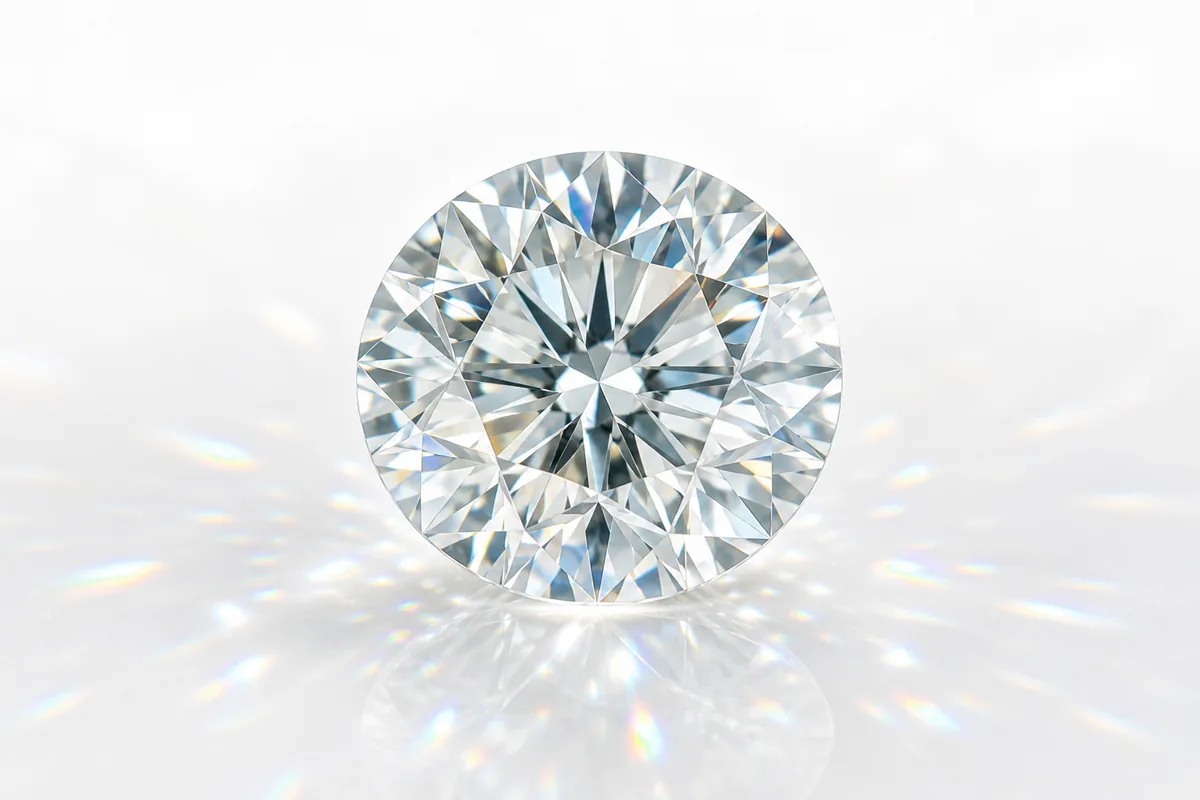
Shape is not cut quality
Shape is the outline: round, oval, pear, marquise, emerald, cushion, princess, radiant, or heart. Cut quality is how well the facets handle light. A page that confuses the two will disappoint searchers.
How shape changes value
Round brilliants are highly liquid. Fancy shapes can offer larger face-up spread for the money, but they need more careful inspection for bow-tie effect, symmetry, windowing, or fragile points.
Why this helps a valuation
Shape affects demand. A marquise, pear, or emerald cut may need a different valuation lens from a round brilliant even when the carat weight looks similar.
Decision table
Use the details, not a shortcut.
| Shape | Watch for | Useful question |
|---|---|---|
| Round brilliant | Cut grade, light return, spread | Does the make support the carat weight? |
| Marquise | Bow-tie, points, symmetry | Are the tips protected? |
| Princess | Corners and depth | Is the setting protecting the corners? |
| Emerald | Clarity and windowing | Can you see inclusions easily? |
| Pear | Tip, symmetry, bow-tie | Does the stone sit straight? |
| Oval | Bow-tie and spread | Does it face up evenly? |
Direct answers
Common questions
Which diamond shape looks biggest?
Oval, pear, marquise, and emerald cuts can look larger face-up than some round stones at the same carat, but proportions matter.
Which shape is easiest to resell?
Round brilliant diamonds are generally the most liquid because grading and demand are more standardised.
Does Prodiam value fancy shapes?
Yes. A specialist valuation should account for shape, proportions, certificate, market demand, and condition.