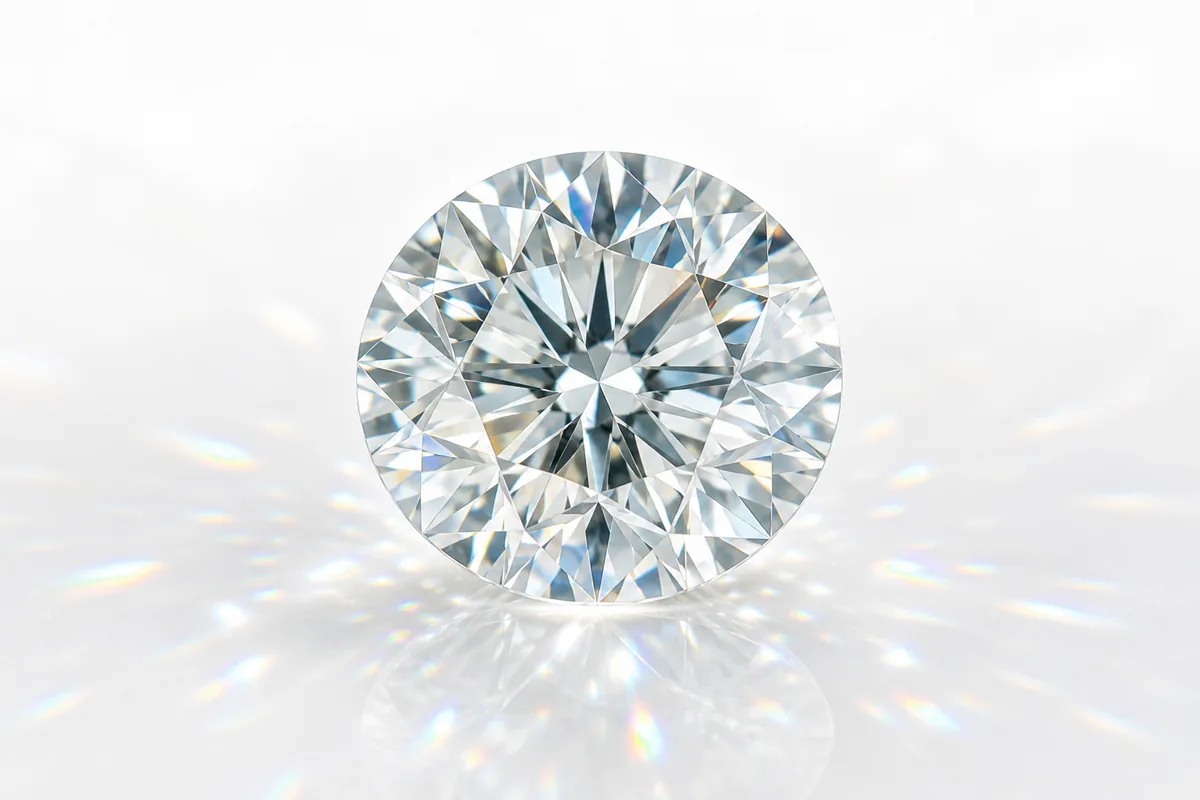
Natural diamonds vs lab-grown in jewellery
Natural diamonds form under geological conditions over millions of years. Lab-grown diamonds are chemically identical but produced industrially in weeks. Both can look the same in finished jewellery. Lab-grown stones trade at substantially lower resale values. The piece should disclose which type you are buying, and the price should reflect it.
The certificate as the foundation of value
A grading report from GIA, IGI, or HRD attached to a diamond piece documents the actual stone quality. Without a certificate, the colour, clarity, and carat weight are the seller's claim, not an independent verification. For any diamond jewellery over a meaningful budget, insist on documentation.
Common buying traps in SA jewellery stores
High-pressure limited-time offers, inflated MSRPs shown as discounts, and loose grade descriptions without certificates are all warning signs. A certified diamond in a recognised grade sells based on what the document says, not what a salesperson says. No reputable seller needs urgency tactics to move certified stock.
Where specialist diamond dealers differ from jewellery retailers
Jewellery retailers sell the design, brand, and experience alongside the stone. Specialist diamond dealers focus on the stone's intrinsic quality and market value. Both serve different purposes. For buyers whose priority is the diamond itself, a specialist like Prodiam in Bedfordview handles certified natural diamonds and can assess, price, and transact with a focus on the stone rather than the setting.
Decision table
Use the details, not a shortcut.
| Jewellery type | Certificate expectation | Resale position |
|---|---|---|
| Engagement ring centre stone | Full lab report standard | Strong if certified |
| Fashion rings with accent stones | Often no individual certs | Limited resale for stones |
| Diamond studs earrings | Report recommended | Better with GIA/IGI cert |
| Tennis bracelets | Usually grouped grade description | Resale as finished piece |
| Pendants with larger stones | Report for stones above 0.50ct | Certificate improves value |
Direct answers
Common questions
Is SA jewellery cheaper than overseas?
South African rand pricing can offer value on finished jewellery for rand-based buyers, but the underlying diamond cost follows international benchmark pricing. The exchange rate and local dealer margin determine whether SA prices are genuinely competitive.
What is the difference between carat and karat?
Carat measures diamond weight. Karat measures gold purity. A 1.00ct diamond set in 18kt gold ring is not the same measurement scale. Both appear on jewellery documentation but describe different things.
How do I verify the diamond in a piece of jewellery I already own?
A gemologist can examine the stone with a loupe and measure it. If a certificate exists, confirm the laser inscription matches the report number. Without a certificate, a re-grading service through a recognised lab is the most reliable option.
What consumer protections apply when buying diamond jewellery in SA?
The Consumer Protection Act covers retail diamond jewellery purchases. You are entitled to accurate disclosure of what you are buying. POPIA governs how your personal data is handled during the transaction.
Should I buy diamond jewellery as an investment?
Most diamond jewellery is not a liquid investment. Retail markups mean immediate resale returns less than the purchase price in most cases. Certified loose diamonds in standard grades are more tradeable than finished jewellery.
Can Prodiam help me value diamond jewellery I already own?
Prodiam handles certified natural diamonds and can assess stones and finished pieces. Contact a qualified specialist or call a qualified specialist to discuss a valuation.