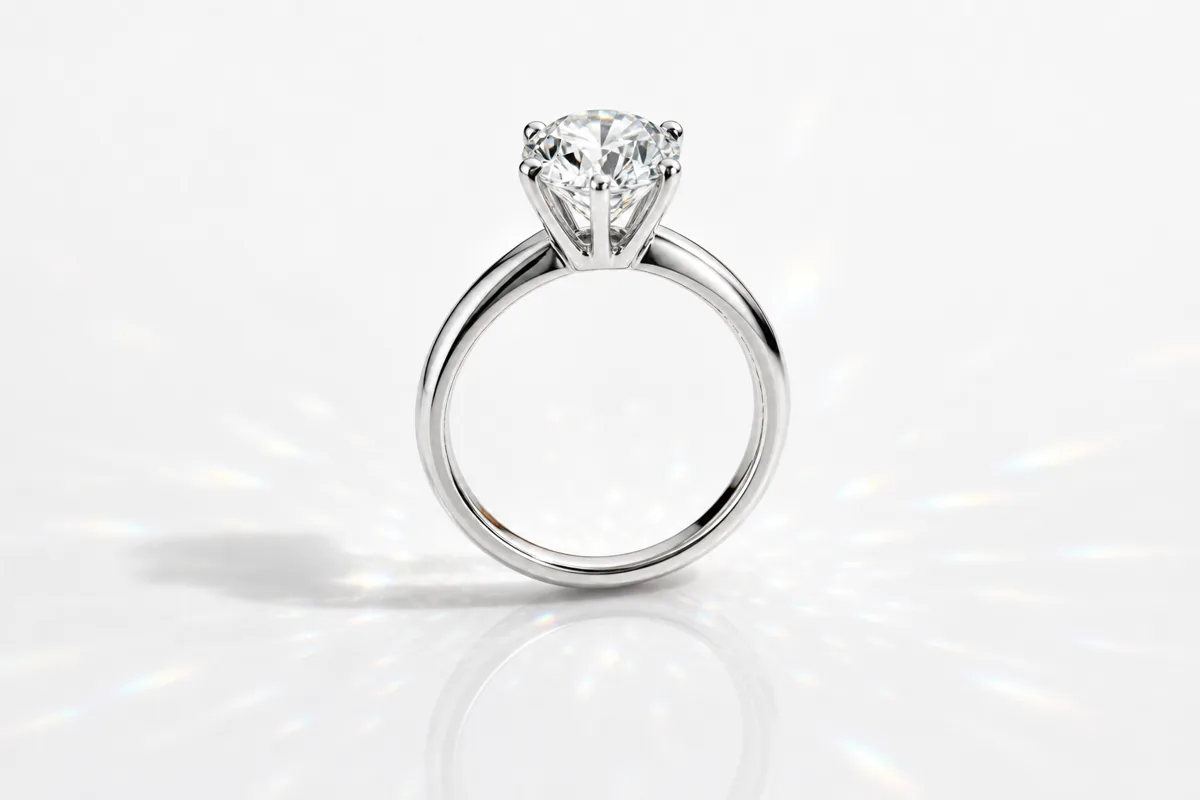
Natural versus laboratory-grown versus simulant
Natural diamonds are mined from kimberlite pipes or alluvial deposits. Laboratory-grown diamonds are chemically identical to natural diamonds but produced in controlled industrial environments over days or weeks. Simulants such as cubic zirconia and moissanite resemble diamonds visually but have different physical and optical properties. A gemological test or certificate distinguishes them. In South Africa, under the Consumer Protection Act, sellers must not mislead buyers about stone type.
What a certificate tells you
A GIA or other recognised grading laboratory certificate states the diamond's weight, colour grade, clarity grade, cut grade, dimensions, and any treatments. Importantly, modern certificates from GIA include a statement confirming the stone is a natural diamond. If a seller cannot provide a certificate, request an independent appraisal or inspection before completing a purchase.
Testing methods available in South Africa
Basic diamond testers use thermal conductivity and can distinguish moissanite and cubic zirconia from diamond, but cannot distinguish natural from laboratory-grown. More advanced HPHT and CVD detectors (DiamondView and equivalent tools) identify lab-grown diamonds. A qualified gemmologist or specialist like Prodiam can test and advise.
Buying and selling real diamond rings in South Africa
Prodiam in Bedfordview, Johannesburg, buys, sells, and valuates certified natural diamonds. If you have a ring and are unsure whether the stone is natural, laboratory-grown, or a simulant, Prodiam can inspect and advise. Contact a qualified specialist or call a qualified specialist at Suite F1W6, The Paragon, 1 Kramer Road, Bedfordview.
Decision table
Use the details, not a shortcut.
| Stone type | Chemical composition | GIA certification | Resale value |
|---|---|---|---|
| Natural diamond | Carbon crystal, mined | Full 4Cs grading report | Highest for certified stones |
| Lab-grown diamond | Carbon crystal, grown | Separate lab-grown report | Significantly lower than natural |
| Moissanite | Silicon carbide | Not a diamond certificate | Minimal as diamond substitute |
| Cubic zirconia | Zirconium oxide | Not a diamond certificate | Near zero |
| White sapphire | Aluminium oxide | Gemstone certificate | Low as diamond substitute |
Direct answers
Common questions
How do I know if my diamond ring has a real diamond?
The most reliable method is a GIA or equivalent laboratory grading report, which confirms natural origin, weight, and grades. Without a certificate, take the ring to a qualified gemmologist or specialist for testing.
Can I tell a real diamond from a fake by looking at it?
Not reliably. High-quality moissanite and laboratory-grown diamonds are visually indistinguishable from natural diamonds to the naked eye. Professional testing equipment is required to differentiate them.
Is a lab-grown diamond a real diamond?
Chemically and physically, yes. A lab-grown diamond is composed of carbon arranged in the same crystal structure as a natural diamond. The distinction is origin. Most buyers who ask for real diamonds mean natural mined diamonds, which carry different market value.
What happens if I inherited a diamond ring and do not know if it is real?
Take it to a qualified specialist for inspection. Prodiam in Bedfordview can test and advise on stone type and provide a valuation if the stone is a natural diamond.
Does the metal setting tell me anything about the diamond?
Not directly. A diamond set in platinum or 18ct gold does not prove the stone is real. Equally, a diamond in a silver setting is not automatically fake. The setting metal and stone type are independent.